
What Are Hypertrophic Scars?
Hypertrophic scar treatment in Seoul helps reduce raised, thickened scars that develop after acne, injury, surgery, or skin inflammation. At Dami Clinic Yeouido, customized treatment plans may include steroid injections, laser therapy, scar remodeling procedures, silicone therapy, and collagen-regulating treatments.
Unlike atrophic acne scars that create depressions in the skin, hypertrophic scars grow upward due to excessive collagen production during the healing process. Early intervention often improves treatment outcomes and may help prevent further scar thickening.
International patients benefit from English-speaking consultations, advanced scar assessment, and personalized treatment plans designed to improve scar texture, thickness, redness, and overall appearance.
Hypertrophic scars are raised scars that develop when the body produces excessive collagen during wound healing. These scars remain confined within the boundaries of the original injury but can become thick, firm, red, and cosmetically bothersome.
Hypertrophic scars are characterized by:
Unlike normal scars, hypertrophic scars contain an overproduction of collagen fibers that accumulate during the healing process.
- Raised appearance
- Excessive collagen buildup
- Firm texture
- Redness or discoloration
- Thickened skin
- Itching or discomfort
 Medically reviewed by Dr. Kim Myung-Jin, member of the Korean Acne Society · Updated October 2026
What Causes Hypertrophic Scars?
Hypertrophic scars occur when the healing response becomes overly active.
Contributing factors may include:
Not every wound develops into a hypertrophic scar, but certain individuals may be more susceptible.
- Severe inflammation
- Delayed wound healing
- Repeated skin trauma
- Surgical incisions
- Acne lesions
- Genetic predisposition
- Skin tension during healing
Hypertrophic Scars vs Keloid Scars
Many patients confuse hypertrophic scars with keloids.
Hypertrophic Scars
- Remain within the original wound boundaries
- May gradually flatten over time
- More responsive to treatment
- Common after surgery and acne
Keloid Scars
- Extend beyond the original wound
- Continue growing over time
- Higher recurrence rates
- More aggressive collagen growth
Accurate diagnosis is important because treatment approaches differ.
Hypertrophic Acne Scars
Some acne patients develop raised scars instead of depressed scars.
These scars most commonly occur on:
Hypertrophic acne scars often result from prolonged inflammation and aggressive healing responses.
- Jawline
- Chest
- Back
- Shoulders
- Neck
Steroid Injections for Hypertrophic Scars
Intralesional steroid injections are among the most commonly used treatments for hypertrophic scars.
Benefits may include:
Multiple treatment sessions are often recommended depending on scar size and response.
- Scar flattening
- Reduced thickness
- Improved softness
- Reduced redness
- Decreased itching
Laser Treatment for Hypertrophic Scars
Laser therapy may help improve scar appearance by targeting excess blood vessels and promoting scar remodeling.
Potential benefits include:
Laser treatments are frequently combined with other scar therapies.
- Reduced redness
- Improved texture
- Scar softening
- Better skin tone
- Enhanced cosmetic appearance
What changes with treatment
Drag the handle to compare.
Scar Remodeling Procedures
Advanced scar remodeling treatments focus on improving the structure and appearance of raised scars.
Treatment options may include:
The goal is to improve both scar texture and overall skin quality.
- Fractional laser therapy
- RF microneedling
- Scar revision procedures
- Collagen-regulating treatments
- Combination therapy
Silicone Therapy for Hypertrophic Scars
Silicone-based treatments are commonly used as part of long-term scar management.
Benefits may include:
Silicone therapy is often recommended alongside in-clinic procedures.
- Scar hydration
- Improved scar softness
- Reduced thickness
- Better scar maturation
- Ongoing scar support
Redness Reduction Treatments
Many hypertrophic scars remain visibly red due to increased blood vessel activity.
Treatment approaches may focus on:
Reducing redness often helps scars become significantly less noticeable.
- Vascular lasers
- Scar remodeling
- Inflammation reduction
- Skin tone improvement
Combination Therapy for Hypertrophic Scars
Many patients achieve the best outcomes through a combination approach.
Treatment plans may include:
Addressing multiple aspects of scar formation often produces superior results.
- Steroid Injections
- Laser Therapy
- Silicone Therapy
- Scar Remodeling Procedures
- RF Microneedling
- Long-Term Scar Management
Can Hypertrophic Scars Improve Over Time?
Some hypertrophic scars may naturally flatten and soften over time.
However, untreated scars may remain:
Professional treatment may accelerate improvement and optimize cosmetic outcomes.
- Raised
- Thick
- Red
- Firm
- Symptomatic
Recovery After Treatment
Recovery depends on the treatment method selected.
Temporary side effects may include:
Most symptoms gradually resolve during the healing process.
- Mild redness
- Swelling
- Tenderness
- Temporary discoloration
- Injection site sensitivity
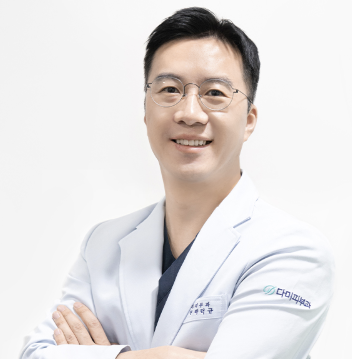
Dr. Park Deok-Gyu, Director
Acne scars · Laser dermatology. MD, Soonchunhyang University College of Medicine; residency at Soonchunhyang University Hospital; cosmetic surgery training at UCLA. Member, Korean Society for Investigative Dermatology and Korean Academy of Aesthetic Surgery & Laser Medicine.
Meet all three physicians →Why Choose Dami Clinic Yeouido?
- Customized scar assessment
- Advanced scar treatment technologies
- Combination treatment strategies
- English-speaking consultations
- International patient support
- Focus on natural-looking outcomes
- Experience with Asian skin types