
What Causes Acne Scars?
Acne scar treatment in Seoul helps improve depressed scars, red acne marks, uneven skin texture, and post-acne skin damage through personalized treatment plans. At Dami Clinic Yeouido, advanced technologies such as subcision, RF microneedling, laser resurfacing, skin boosters, and collagen-stimulating treatments are combined to address different scar types effectively.
Acne scars are highly individualized, and successful treatment requires accurate diagnosis of scar patterns including rolling scars, boxcar scars, ice pick scars, hypertrophic scars, and post-inflammatory redness. Customized treatment plans are designed to improve skin texture, stimulate collagen production, and achieve natural-looking results over time.
International patients benefit from English-speaking consultations, detailed scar assessments, and evidence-based acne scar treatments tailored for Asian and international skin types.
Acne scars can persist long after active acne has resolved. While some scars cause visible depressions in the skin, others appear as raised scars, persistent redness, or uneven skin texture.
Acne scars develop when inflammation damages the skin's deeper structures during the healing process.
Common causes include:
The severity of inflammation often influences the likelihood of permanent scar formation.
- Cystic acne
- Nodular acne
- Severe inflammatory acne
- Delayed acne treatment
- Picking or squeezing acne lesions
- Genetic predisposition
- Excessive collagen loss
- Abnormal wound healing
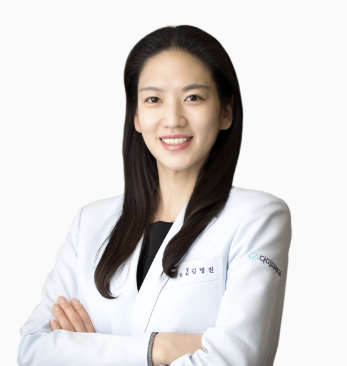 Medically reviewed by Dr. Kim Myung-Jin, member of the Korean Acne Society · Updated October 2026
Types of Acne Scars
Understanding scar type is one of the most important parts of successful treatment planning.
Rolling Scars
Rolling scars create broad depressions with sloping edges that produce a wavy appearance across the skin.
These scars are commonly caused by fibrous bands pulling the skin downward and often respond well to subcision and collagen stimulation treatments.
Boxcar Scars
Boxcar scars appear as round or oval depressions with sharply defined edges.
They often require collagen remodeling treatments such as laser resurfacing and RF microneedling.
Ice Pick Scars
Ice pick scars are narrow but deep scars that extend into the skin.
Because of their depth, they often require specialized treatment approaches beyond standard resurfacing procedures.
Hypertrophic Scars
Hypertrophic scars are raised scars caused by excessive collagen production during healing.
Treatment typically focuses on flattening and softening the scar tissue while improving overall appearance.
Red Acne Scars
Red acne scars, often referred to as post-inflammatory erythema, are caused by damaged superficial blood vessels after acne heals.
These marks usually benefit from vascular laser treatment and anti-inflammatory therapies.
Why Professional Acne Scar Treatment Is Necessary
Most acne scars involve structural skin changes beneath the surface.
Topical products alone often cannot adequately address:
Professional treatment focuses on rebuilding skin structure and stimulating natural healing processes.
- Collagen loss
- Fibrous scar tissue
- Deep depressions
- Skin tethering
- Persistent redness
- Texture irregularities
Subcision for Acne Scars
Subcision is one of the most effective treatments for tethered acne scars.
The procedure works by:
Subcision is commonly used for rolling scars and certain boxcar scars.
- Releasing fibrous scar bands
- Elevating depressed scars
- Stimulating collagen production
- Improving skin smoothness
- Enhancing treatment outcomes
RF Microneedling for Acne Scars
RF microneedling combines microneedles with radiofrequency energy to stimulate collagen remodeling.
Potential benefits include:
This treatment is often incorporated into comprehensive scar treatment plans.
- Improved texture
- Scar depth reduction
- Skin tightening
- Collagen stimulation
- Minimal downtime
What changes with treatment
Drag the handle to compare.
Laser Resurfacing for Acne Scars
Fractional laser treatments help improve acne scars through controlled skin remodeling.
Benefits may include:
Laser resurfacing can be customized according to scar severity and skin type.
- Enhanced collagen production
- Scar softening
- Texture improvement
- Smoother skin
- Improved skin renewal
Skin Boosters and Collagen Stimulation
Skin quality plays an important role in overall scar improvement.
Skin boosters may help:
These treatments are frequently combined with procedural therapies.
- Improve hydration
- Support collagen formation
- Enhance skin quality
- Accelerate recovery
- Improve overall texture
Combination Treatment Approach
Most patients achieve superior outcomes through combination treatment.
Personalized plans may include:
Combination therapy allows multiple scar mechanisms to be treated simultaneously.
- Subcision
- RF Microneedling
- Fractional Lasers
- Skin Boosters
- Collagen Stimulators
- Scar Remodeling Procedures
Acne Scar Treatment for Asian Skin
Asian skin requires specialized treatment planning because of a higher tendency toward post-inflammatory pigmentation.
Treatment protocols often emphasize:
Personalized treatment helps maximize results while minimizing risks.
- Conservative energy settings
- Customized laser parameters
- Gradual collagen stimulation
- Careful post-treatment management
- Pigmentation prevention strategies
How Many Sessions Are Needed?
Treatment requirements vary according to:
Many patients require a series of procedures performed over several months because collagen remodeling occurs gradually.
- Scar type
- Scar severity
- Skin condition
- Previous treatments
- Healing response
Recovery After Acne Scar Treatment
Recovery depends on the procedures performed.
Temporary side effects may include:
Most improvements continue developing for several months as collagen production increases.
- Redness
- Swelling
- Dryness
- Mild bruising
- Sensitivity
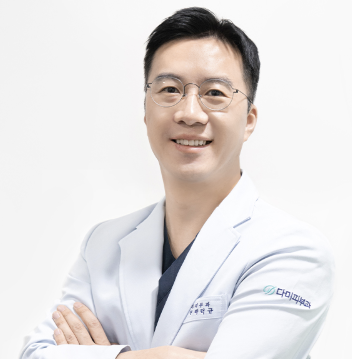
Dr. Park Deok-Gyu, Director
Acne scars · Laser dermatology. MD, Soonchunhyang University College of Medicine; residency at Soonchunhyang University Hospital; cosmetic surgery training at UCLA. Member, Korean Society for Investigative Dermatology and Korean Academy of Aesthetic Surgery & Laser Medicine.
Meet all three physicians →Why Choose Dami Clinic Yeouido?
- Comprehensive acne scar evaluation
- Customized treatment protocols
- Advanced scar treatment technologies
- English-speaking consultations
- International patient support
- Treatment plans designed for Asian skin
- Focus on natural-looking improvement