
What Are Oral Antibiotics for Acne?
Oral antibiotics for acne treatment in Seoul help reduce inflammatory acne, painful breakouts, pustules, and moderate to severe acne that may not respond adequately to topical treatments alone. At Dami Clinic Yeouido, oral antibiotic treatment plans are carefully customized according to acne severity, skin condition, medical history, and long-term acne management goals.
Oral antibiotics work primarily by reducing acne-related inflammation and controlling acne-causing bacteria. They are often used as part of a comprehensive acne treatment program that may also include topical medications, acne extraction, chemical peels, laser therapies, and acne scar prevention strategies.
International patients benefit from English-speaking consultations, detailed acne evaluations, and personalized treatment plans tailored to Asian and international skin types.
Acne is more than a cosmetic concern. For many patients, persistent inflammatory acne can cause discomfort, pigmentation, emotional distress, and permanent scarring if not properly treated.
Oral antibiotics are prescription medications taken by mouth to help control inflammatory acne.
They are commonly used for:
They are often combined with topical therapies and other acne treatments for optimal results.
- Moderate acne
- Severe acne
- Inflammatory acne
- Pustular acne
- Acne affecting large areas
- Acne with scarring risk
- Treatment-resistant acne
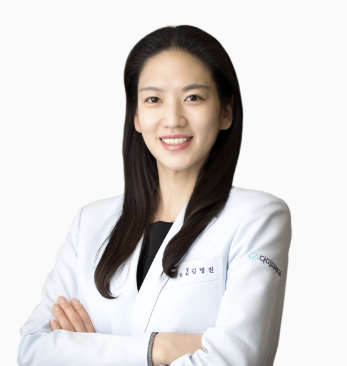 Medically reviewed by Dr. Kim Myung-Jin, member of the Korean Acne Society · Updated October 2026
How Do Oral Antibiotics Work?
Oral antibiotics improve acne through several mechanisms.
Reduce Inflammation
Inflammation plays a major role in acne development.
Oral antibiotics help reduce inflammatory responses that contribute to redness, swelling, and painful lesions.
Control Acne-Causing Bacteria
Certain bacteria contribute to acne formation and inflammation.
Oral antibiotics help reduce bacterial activity associated with acne breakouts.
Improve Active Acne
Many patients experience fewer inflammatory lesions and improved skin clarity during treatment.
Who May Benefit from Oral Antibiotics?
Oral antibiotics may be recommended for patients experiencing:
A professional consultation helps determine whether oral antibiotic therapy is appropriate.
- Moderate inflammatory acne
- Severe inflammatory acne
- Widespread breakouts
- Painful acne lesions
- Recurrent inflammatory acne
- Increased scar risk
- Limited response to topical treatments
Types of Acne Commonly Treated
Inflammatory Acne
Characterized by:
- Red bumps
- Tender lesions
- Swelling
- Persistent inflammation
Papules and Pustules
These inflammatory lesions often respond well to oral antibiotic therapy when properly selected.
Moderate to Severe Acne
Patients with extensive acne involvement may benefit from systemic treatment.
Benefits of Oral Antibiotics for Acne
Potential benefits include:
Many patients experience noticeable improvement within the early stages of treatment.
- Reduced inflammation
- Fewer active breakouts
- Less redness
- Improved comfort
- Lower scar risk
- Better response to other treatments
- Improved skin appearance
Oral Antibiotics and Acne Scar Prevention
One of the primary goals of treatment is reducing the risk of permanent acne scars.
By controlling inflammation, oral antibiotics may help:
Early intervention often leads to better cosmetic outcomes.
- Reduce tissue damage
- Limit cyst formation
- Improve healing
- Lower scar risk
- Support long-term skin health
What changes with treatment
Drag the handle to compare.
Oral Antibiotics vs Isotretinoin
Although both treatments are used for acne, they serve different purposes.
Oral Antibiotics
- Primarily reduce inflammation
- Control bacterial activity
- Commonly used for moderate inflammatory acne
- Often used for limited treatment periods
Isotretinoin
- Targets multiple acne causes
- Reduces oil production significantly
- Often used for severe or treatment-resistant acne
- Requires specialized monitoring
Treatment recommendations depend on individual clinical needs.
Oral Antibiotics vs Topical Treatments
Oral Antibiotics
- Work throughout the body
- Useful for widespread inflammatory acne
- Often prescribed for moderate to severe cases
Topical Treatments
- Applied directly to the skin
- Frequently used for mild to moderate acne
- Often combined with oral therapy
Combination treatment frequently produces superior outcomes.
Combining Oral Antibiotics with Other Acne Treatments
Many patients benefit from a comprehensive treatment plan.
Therapies may include:
Addressing multiple causes of acne often improves long-term results.
- Topical medications
- Acne extraction
- Chemical peels
- Laser treatments
- Skin barrier support
- Acne scar prevention programs
How Long Does Treatment Last?
Treatment duration depends on:
Regular follow-up visits help determine the most appropriate treatment timeline.
- Acne severity
- Clinical response
- Skin condition
- Treatment goals
- Overall acne management plan
Monitoring During Treatment
Professional supervision is important throughout treatment.
Follow-up visits may assess:
Monitoring helps optimize outcomes and ensure safe treatment.
- Acne improvement
- Skin response
- Treatment effectiveness
- Side effects
- Future treatment planning
Potential Side Effects
As with all medications, oral antibiotics may cause side effects in some patients.
Potential effects may include:
Individual recommendations are based on medical history and treatment needs.
- Gastrointestinal discomfort
- Increased sun sensitivity
- Digestive changes
- Temporary skin reactions
Oral Antibiotics for Asian Skin
Asian skin often requires careful acne management because of an increased tendency toward post-inflammatory pigmentation.
Treatment planning focuses on:
Individualized care helps maximize results while minimizing complications.
- Inflammation control
- Pigmentation prevention
- Customized treatment selection
- Long-term acne management
- Skin barrier protection
Dr. Kim Myung-Jin
Medical acne · Hormonal acne · Laser. MD, Soonchunhyang University College of Medicine; internship and residency at Soonchunhyang University Hospital. Member, Korean Acne Society and Korean Society for Laser Dermatology & Trichology.
Meet all three physicians →Why Choose Dami Clinic Yeouido?
- Comprehensive acne assessment
- Customized medication plans
- Evidence-based acne management
- English-speaking consultations
- International patient support
- Treatment protocols designed for Asian skin
- Focus on scar prevention