
What Is Isotretinoin?
Isotretinoin treatment in Seoul is one of the most effective medical therapies for severe acne, cystic acne, recurrent breakouts, and acne that has not responded adequately to conventional treatments. At Dami Clinic Yeouido, isotretinoin treatment plans are carefully customized and monitored to maximize acne improvement while maintaining patient safety.
Isotretinoin works by targeting multiple causes of acne simultaneously, including excess oil production, inflammation, clogged pores, and acne-causing bacteria. For many patients, it can significantly reduce acne activity, lower the risk of permanent scarring, and provide long-term acne control.
International patients benefit from English-speaking consultations, comprehensive acne assessments, treatment monitoring, and personalized isotretinoin programs tailored to individual skin and medical needs.
Severe acne can have a significant impact on skin health, confidence, and quality of life. When conventional acne treatments fail to provide adequate control, isotretinoin is often considered one of the most powerful and effective options available.
Isotretinoin is a prescription oral medication used to treat moderate to severe acne.
It is commonly recommended for patients with:
The medication works internally to address the underlying causes of acne rather than simply treating surface symptoms.
- Cystic acne
- Nodular acne
- Severe inflammatory acne
- Recurrent acne
- Acne resistant to other treatments
- Acne with significant scarring risk
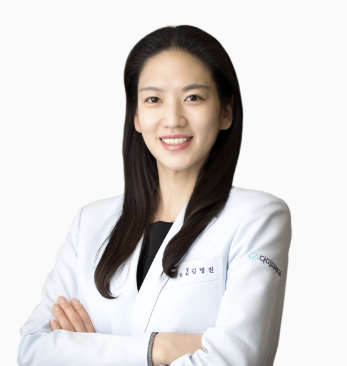 Medically reviewed by Dr. Kim Myung-Jin, member of the Korean Acne Society · Updated October 2026
How Does Isotretinoin Work?
Isotretinoin improves acne through several mechanisms.
Reduces Oil Production
Excess sebum production is one of the primary contributors to acne formation.
Isotretinoin significantly decreases oil gland activity, making the skin less prone to clogged pores and breakouts.
Reduces Inflammation
The medication helps decrease the inflammatory processes responsible for painful acne lesions.
Improves Pore Function
Isotretinoin helps normalize skin cell turnover and reduces pore blockage.
Reduces Acne-Causing Bacteria
By altering the skin environment, the medication indirectly decreases bacterial overgrowth associated with acne.
Who Is a Candidate for Isotretinoin?
Patients who may benefit include those with:
A professional consultation helps determine whether isotretinoin is appropriate.
- Severe acne
- Persistent acne despite treatment
- Acne scarring
- Frequent cystic breakouts
- Significant psychological impact from acne
- Widespread inflammatory lesions
Benefits of Isotretinoin Treatment
Potential benefits include:
Many patients experience dramatic improvement compared to previous acne treatments.
- Significant acne reduction
- Long-term acne control
- Reduced oil production
- Lower scar risk
- Improved skin clarity
- Reduced inflammation
- Improved confidence
Isotretinoin and Acne Scar Prevention
One of the most important advantages of isotretinoin is its ability to reduce the likelihood of permanent acne scarring.
By controlling severe inflammation early, isotretinoin may help:
Early intervention is often beneficial for high-risk patients.
- Prevent collagen damage
- Reduce cyst formation
- Limit scar development
- Improve long-term skin outcomes
How Long Does Isotretinoin Treatment Last?
Treatment duration varies according to:
Many patients undergo treatment for several months under professional supervision.
- Acne severity
- Individual response
- Treatment goals
- Total cumulative dosage
- Medical considerations
What changes with treatment
Drag the handle to compare.
What Results Can Patients Expect?
Most patients experience progressive improvement throughout treatment.
Potential outcomes include:
Results vary according to individual circumstances and treatment adherence.
- Fewer breakouts
- Reduced inflammation
- Less oily skin
- Improved skin texture
- Reduced acne recurrence
Monitoring During Isotretinoin Treatment
Regular follow-up is an important part of treatment.
Monitoring may include:
Careful supervision helps optimize safety and effectiveness.
- Acne progress assessment
- Side effect evaluation
- Dose adjustments
- General health monitoring
- Ongoing treatment planning
Common Side Effects
Like all prescription medications, isotretinoin may cause side effects.
Commonly reported effects include:
Most side effects are manageable with appropriate skincare and medical guidance.
- Dry lips
- Dry skin
- Dry eyes
- Increased skin sensitivity
- Temporary irritation
Isotretinoin and Adult Acne
Many adults struggle with persistent acne that does not respond adequately to conventional treatments.
For selected patients, isotretinoin may help:
Treatment recommendations are individualized according to patient needs.
- Reduce recurrent breakouts
- Improve long-term acne control
- Lower scarring risk
- Enhance overall skin quality
Combining Isotretinoin with Other Acne Treatments
Treatment plans may include:
Recommendations vary according to the stage of treatment and skin condition.
- Medical skincare
- Acne extraction
- Skin barrier support
- Post-acne recovery treatments
- Long-term acne management strategies
Isotretinoin for Asian Skin
Asian skin requires careful treatment planning due to a tendency toward post-inflammatory pigmentation.
Treatment considerations include:
Individualized care helps maximize benefits while minimizing complications.
- Customized dosing
- Skin barrier support
- Pigmentation prevention
- Ongoing monitoring
- Personalized skincare recommendations
Life After Isotretinoin
Many patients continue to enjoy significant acne improvement after completing treatment.
Long-term management may focus on:
Follow-up care helps maintain treatment results.
- Maintenance skincare
- Acne prevention
- Pigmentation management
- Scar prevention
- Overall skin health
Dr. Kim Myung-Jin
Medical acne · Hormonal acne · Laser. MD, Soonchunhyang University College of Medicine; internship and residency at Soonchunhyang University Hospital. Member, Korean Acne Society and Korean Society for Laser Dermatology & Trichology.
Meet all three physicians →Why Choose Dami Clinic Yeouido?
- Comprehensive acne evaluation
- Personalized isotretinoin protocols
- Ongoing treatment monitoring
- English-speaking consultations
- International patient support
- Treatment plans designed for Asian skin
- Focus on long-term skin health