
What Causes Oily Skin?
Oily skin treatment in Seoul helps manage excess sebum production, enlarged pores, acne breakouts, blackheads, skin congestion, and shine while improving overall skin balance and health. At Dami Clinic Yeouido, oily skin treatment plans are customized according to skin type, sebum production levels, acne tendency, pore condition, and long-term skin goals.
Excess oil production can contribute to acne, enlarged pores, persistent shine, and recurring congestion. Modern dermatology offers a combination of medical skincare, laser treatments, chemical peels, acne facials, skin boosters, and personalized treatment programs to help regulate oil production and improve skin quality.
International patients benefit from English-speaking consultations, advanced skin analysis, and customized treatment protocols designed for Asian and international skin types.
Oily skin is one of the most common skin concerns affecting both teenagers and adults. While sebum plays an important role in maintaining skin hydration and protection, excessive oil production can lead to persistent shine, clogged pores, acne breakouts, and enlarged pores.
Several factors can contribute to excess oil production.
Common causes include:
Understanding the cause helps determine the most effective treatment approach.
- Genetics
- Hormonal fluctuations
- Stress
- Climate and humidity
- Overuse of harsh skincare products
- Certain medications
- Inflammatory skin conditions
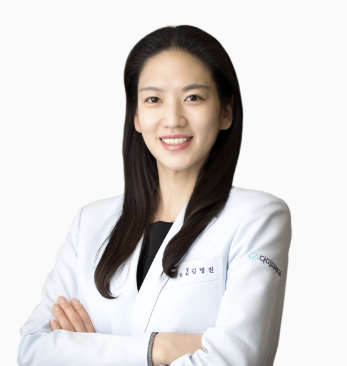 Medically reviewed by Dr. Kim Myung-Jin, member of the Korean Acne Society · Updated October 2026
How much does oily skin treatment cost in Seoul?
These are Dami Clinic's published prices — the same for international and Korean patients, with no consultation-room mark-ups.
| Treatment | Interval | Option | Price (KRW) |
|---|---|---|---|
| AGNES sebaceous gland ablation | 4 weeks | 5 spots / full face | ₩50,000 / ₩500,000 |
| Capri Laser (per mode) | 1 week | 1 / 10 sessions | ₩150,000 / ₩1,000,000 |
Official Dami Clinic price list, October 2026. Prices in Korean won, VAT (10%) not included. One price for every patient. Your doctor confirms the final plan at consultation. See the full price list →
Common Problems Associated with Oily Skin
Excess oil production may contribute to:
Many patients experience multiple concerns simultaneously.
- Acne breakouts
- Blackheads
- Whiteheads
- Enlarged pores
- Congested skin
- Persistent shine
- Uneven skin texture
Signs of Oily Skin
Patients with oily skin often notice:
Professional skin analysis can help determine the severity of oil production.
- Shiny appearance throughout the day
- Frequent breakouts
- Makeup wearing off quickly
- Enlarged visible pores
- Increased blackheads
- Persistent skin congestion
Oily Skin and Acne
Excess sebum production is one of the major contributors to acne development.
Oil can combine with:
This may lead to clogged pores and inflammatory acne lesions.
Comprehensive acne management often includes oil-control strategies.
- Dead skin cells
- Bacteria
- Environmental debris
Oily Skin and Enlarged Pores
Excess oil can make pores appear larger and more noticeable.
Treatment may focus on:
Although pore size cannot be permanently changed, their appearance may improve significantly.
- Improving oil balance
- Reducing congestion
- Supporting collagen production
- Enhancing skin texture
Oily Skin and Blackheads
Blackheads commonly develop when oil and debris accumulate inside pores.
Treatment options may help:
Regular treatment can help reduce recurrence.
- Reduce congestion
- Improve pore cleanliness
- Minimize blackhead formation
- Support healthier skin maintenance
Treatment Options for Oily Skin
Treatment plans are customized according to skin condition and severity.
Options may include:
Medical Skincare Programs
Professional skincare regimens designed to regulate oil production and improve skin health.
Acne Facials
Deep cleansing treatments that help remove excess oil and pore congestion.
Chemical Peels
Controlled exfoliation procedures that help improve oil management and skin texture.
LED Light Therapy
Non-invasive treatment that may support acne-prone oily skin.
Laser Treatments
Selected laser procedures may help improve pore appearance and overall skin quality.
RF Microneedling
Collagen stimulation treatments that may improve enlarged pores and skin texture.
What changes with treatment
Drag the handle to compare.
Chemical Peels for Oily Skin
Chemical peels may help:
Treatment selection depends on skin sensitivity and acne activity.
- Remove dead skin buildup
- Improve pore congestion
- Support oil regulation
- Enhance skin texture
Acne Facials for Oily Skin
Professional acne facials may help:
Regular treatments are often beneficial for oily skin maintenance.
- Deep clean pores
- Remove excess oil
- Improve congestion
- Support healthier skin function
Laser Treatments for Oily Skin
Certain laser technologies may help improve:
Treatment recommendations depend on individual skin concerns.
- Enlarged pores
- Acne-prone skin
- Skin texture
- Overall skin quality
RF Microneedling for Oily Skin
RF Microneedling treatments such as:
may help improve pore appearance, skin texture, and overall skin quality while supporting collagen remodeling.
Medical Skincare for Oily Skin
Professional skincare often focuses on:
Proper skincare selection is an important component of long-term oily skin management.
- Oil control
- Skin barrier support
- Acne prevention
- Hydration balance
Oily Skin and Asian Skin
Asian skin often demonstrates unique characteristics related to:
Treatment protocols are carefully customized to maximize effectiveness while minimizing irritation and pigmentation complications.
- Sebum production
- Pigmentation risk
- Sensitivity patterns
- Healing responses
How Long Does It Take to Improve Oily Skin?
Improvement timelines vary depending on:
Many patients notice improvements within several weeks, while long-term management often requires ongoing maintenance.
- Oil production levels
- Acne severity
- Treatment type
- Lifestyle factors
- Individual response
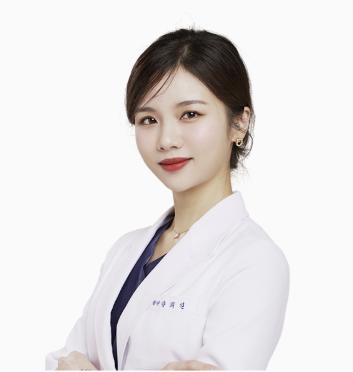
Dr. Yang Hee-Jin
Acne marks · Redness · Skin boosters. MD, Pusan National University School of Medicine; trained at Yangsan Pusan National University Hospital; former director, Maypure Clinic (Busan). Member, Korean Academy of Aesthetic Surgery & Laser Medicine.
Meet all three physicians →Why Choose Dami Clinic Yeouido?
- Comprehensive skin analysis
- Personalized oily skin treatment plans
- Advanced acne management programs
- Medical skincare guidance
- English-speaking consultations
- International patient support
- Expertise in Asian skin