
What Is Sensitive Acne-Prone Skin?
Sensitive acne-prone skin treatment in Seoul helps improve recurring breakouts, skin irritation, redness, inflammation, impaired skin barriers, and acne-related skin concerns through personalized dermatology care. At Dami Clinic Yeouido, treatment plans are customized according to skin sensitivity, acne severity, inflammation levels, barrier health, and long-term skin recovery goals.
Patients with sensitive acne-prone skin often face unique challenges because aggressive acne treatments may worsen irritation, redness, and skin barrier dysfunction. Modern dermatology combines gentle acne management, medical skincare, LED Light Therapy, skin boosters, laser technologies, and evidence-based treatment protocols to improve acne while protecting sensitive skin.
International patients benefit from English-speaking consultations, advanced skin analysis, and customized treatment programs designed for Asian and international skin types.
Managing acne is already challenging, but patients with sensitive skin often face an additional layer of complexity. Treatments that work well for oily or resilient skin may cause irritation, dryness, redness, and discomfort in patients with sensitive skin.
Sensitive acne-prone skin refers to skin that experiences both:
Patients often experience:
Managing both conditions simultaneously requires specialized care.
- Frequent acne breakouts
- Increased skin reactivity
- Redness
- Burning sensations
- Stinging
- Irritation
- Dryness
- Breakouts
 Medically reviewed by Dr. Kim Myung-Jin, member of the Korean Acne Society · Updated October 2026
- Why Is Sensitive Skin More Difficult to Treat?
- Common Symptoms of Sensitive Acne-Prone Skin
- Causes of Sensitive Acne-Prone Skin
- Sensitive Skin and Skin Barrier Dysfunction
- Sensitive Skin and Acne Inflammation
- Sensitive Acne-Prone Skin and Asian Skin
- Treatment Options for Sensitive Acne-Prone Skin
- Frequently asked questions
Why Is Sensitive Skin More Difficult to Treat?
Many traditional acne treatments work by:
However, these treatments may also increase irritation in sensitive individuals.
This can result in:
Treatment selection must therefore be individualized.
- Reducing oil production
- Increasing skin turnover
- Controlling acne-causing bacteria
- Barrier damage
- Increased redness
- Skin discomfort
- Worsening sensitivity
Common Symptoms of Sensitive Acne-Prone Skin
Patients may experience:
Symptoms often fluctuate depending on environmental and lifestyle factors.
- Frequent acne breakouts
- Redness
- Dry patches
- Skin tightness
- Burning sensations
- Easy irritation
- Flushing
- Increased skin reactivity
Causes of Sensitive Acne-Prone Skin
Multiple factors may contribute.
Common causes include:
Identifying contributing factors helps guide treatment planning.
- Genetics
- Impaired skin barrier
- Hormonal fluctuations
- Overuse of skincare products
- Environmental stressors
- Aggressive acne treatments
- Chronic inflammation
Sensitive Skin and Skin Barrier Dysfunction
The skin barrier plays a critical role in maintaining healthy skin.
When compromised, patients may experience:
Barrier repair is often a key component of treatment.
- Increased irritation
- Dryness
- Inflammation
- Sensitivity
- Breakouts
Sensitive Skin and Acne Inflammation
Inflammation contributes to both acne and skin sensitivity.
Persistent inflammation may lead to:
Reducing inflammation is often an important treatment goal.
- Redness
- Post-acne marks
- Skin discomfort
- Delayed healing
Sensitive Acne-Prone Skin and Asian Skin
Asian skin may be particularly susceptible to:
Treatment protocols must balance effectiveness with skin protection.
- Post-inflammatory pigmentation
- Redness
- Barrier disruption
- Sensitivity-related discoloration
What changes with treatment
Drag the handle to compare.
Treatment Options for Sensitive Acne-Prone Skin
Treatment plans are customized according to skin condition and tolerance.
Options may include:
Medical Skincare
Gentle, physician-guided skincare designed to support barrier repair and acne control.
LED Light Therapy
Non-invasive treatment that may support healing and reduce inflammation.
Acne Medications
Carefully selected medications designed to improve acne while minimizing irritation.
Skin Boosters
Regenerative therapies that support hydration and skin recovery.
Gentle Laser Treatments
Selected laser procedures may help improve redness and overall skin quality.
Medical Skincare for Sensitive Acne-Prone Skin
Professional skincare often focuses on:
Proper skincare is often the foundation of long-term improvement.
- Barrier repair
- Hydration
- Gentle cleansing
- Inflammation control
- Acne prevention
LED Light Therapy for Sensitive Skin
LED Light Therapy may help:
It is frequently incorporated into sensitive skin treatment programs.
- Calm inflammation
- Support healing
- Improve skin comfort
- Reduce treatment-related irritation
Skin Boosters for Sensitive Skin
Skin boosters may help improve:
Popular options may include:
Treatment recommendations depend on individual skin characteristics.
Acne Medications for Sensitive Skin
Patients with sensitive skin may still benefit from acne medications.
However, treatment plans often emphasize:
Balancing effectiveness and tolerability is essential.
- Gradual introduction
- Lower irritation potential
- Close monitoring
- Customized protocols
Can Sensitive Acne-Prone Skin Be Improved?
Yes. Although sensitivity may not disappear completely, many patients experience significant improvement through:
Long-term treatment often focuses on maintenance and prevention.
- Barrier repair
- Appropriate skincare
- Acne management
- Professional dermatologic care
How Long Does Treatment Take?
Improvement depends on:
Many patients notice improvements within several weeks, although long-term management may require ongoing care.
- Acne severity
- Degree of sensitivity
- Skin barrier condition
- Treatment adherence
- Individual response
Daily Skincare Tips for Sensitive Acne-Prone Skin
Patients are often advised to:
Consistency is important for maintaining results.
- Avoid harsh scrubs
- Use gentle cleansers
- Apply sunscreen daily
- Avoid excessive exfoliation
- Follow physician-guided skincare recommendations
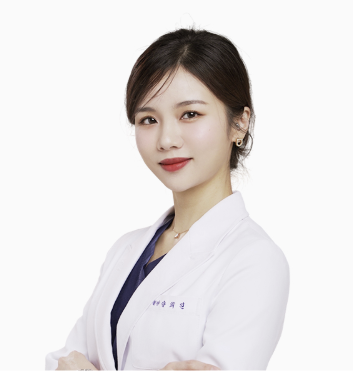
Dr. Yang Hee-Jin
Acne marks · Redness · Skin boosters. MD, Pusan National University School of Medicine; trained at Yangsan Pusan National University Hospital; former director, Maypure Clinic (Busan). Member, Korean Academy of Aesthetic Surgery & Laser Medicine.
Meet all three physicians →Why Choose Dami Clinic Yeouido?
- Comprehensive skin analysis
- Customized treatment plans
- Barrier-focused skincare strategies
- Advanced acne management programs
- English-speaking consultations
- International patient support
- Expertise in Asian skin