
What Is Post-Inflammatory Hyperpigmentation?
Post-inflammatory hyperpigmentation (PIH) treatment in Seoul helps improve dark spots, acne marks, skin discoloration, uneven skin tone, and pigmentation left behind after inflammation or skin injury. At Dami Clinic Yeouido, PIH treatment plans are customized according to skin type, pigmentation severity, underlying causes, and long-term skin rejuvenation goals.
Post-inflammatory hyperpigmentation is particularly common in Asian skin and often develops after acne, eczema, dermatitis, skin irritation, burns, or cosmetic procedures. Modern dermatology offers advanced treatment options including Pico Laser, chemical peels, medical skincare, RF Microneedling, skin boosters, and pigment-targeting therapies to improve skin clarity and restore a more even complexion.
International patients benefit from English-speaking consultations, comprehensive skin analysis, and treatment protocols specifically designed for Asian and international skin types.
Post-inflammatory hyperpigmentation (PIH) is one of the most common pigmentation concerns seen in dermatology clinics. Although the original inflammation may have resolved, the discoloration that remains can persist for months and significantly affect overall skin appearance.
Post-inflammatory hyperpigmentation is a form of skin discoloration that develops after inflammation stimulates excess pigment production.
PIH may appear as:
The condition is caused by excess melanin production rather than permanent skin damage.
- Brown spots
- Dark acne marks
- Grayish discoloration
- Uneven skin tone
- Localized pigmentation patches
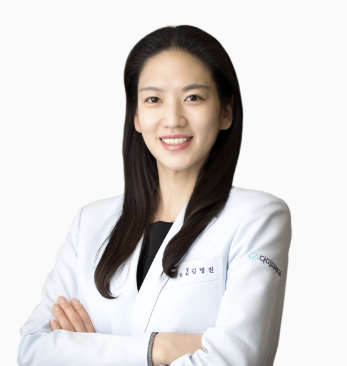 Medically reviewed by Dr. Kim Myung-Jin, member of the Korean Acne Society · Updated October 2026
What Causes Post-Inflammatory Hyperpigmentation?
PIH develops when inflammation activates melanocytes, the cells responsible for pigment production.
Common triggers include:
The severity of pigmentation often depends on the degree of inflammation.
- Acne
- Eczema
- Dermatitis
- Allergic reactions
- Skin injuries
- Burns
- Cosmetic procedures
- Excessive skin irritation
Why Is PIH Common in Asian Skin?
Asian skin often has a stronger pigment response to inflammation.
Factors include:
As a result, even minor inflammation may leave noticeable discoloration.
- Increased melanocyte activity
- Greater melanin production
- Higher risk of pigmentation after injury
- Longer pigmentation persistence
PIH vs Melasma
Although both conditions involve pigmentation, they differ significantly.
Post-Inflammatory Hyperpigmentation
- Triggered by inflammation
- Localized dark spots
- Often follows acne or skin injury
- May gradually improve over time
Melasma
- Hormonal and sun-related condition
- Symmetrical facial pigmentation
- Often chronic and recurrent
- Requires different treatment strategies
Accurate diagnosis is essential for effective treatment.
PIH vs Acne Scars
Many patients confuse pigmentation with acne scars.
PIH
- Color change only
- Flat skin surface
- Brown or dark marks
- Pigment-related concern
Acne Scars
- Structural skin damage
- Depressions or raised scars
- Texture irregularities
- Requires scar-focused treatments
The treatment approach differs considerably between the two conditions.
Common Areas Affected by PIH
Post-inflammatory hyperpigmentation frequently occurs on:
Any area affected by inflammation may develop PIH.
- Cheeks
- Jawline
- Chin
- Forehead
- Neck
- Chest
- Back
Treatment Options for Post-Inflammatory Hyperpigmentation
Treatment recommendations depend on pigmentation severity, skin type, and underlying causes.
Options may include:
Pico Laser
Advanced pigment-targeting laser technology designed to improve discoloration while minimizing downtime.
Chemical Peels
Controlled exfoliation treatments that promote pigment clearance and skin renewal.
Medical Skincare
Professional skincare products designed to support pigmentation management and maintain results.
RF Microneedling
Collagen-stimulating procedures that may improve overall skin quality and support comprehensive skin rejuvenation.
Skin Boosters
Regenerative therapies that improve skin health, hydration, and recovery.
What changes with treatment
Drag the handle to compare.
Pico Laser for PIH
Pico Laser is one of the most commonly recommended treatments for post-inflammatory hyperpigmentation.
Potential benefits include:
Multiple treatment sessions may be recommended depending on pigmentation severity.
- Targeting excess pigment
- Improving skin tone
- Enhancing complexion clarity
- Minimal downtime
Chemical Peels for PIH
Chemical peels may help:
Treatment intensity is customized according to skin sensitivity.
- Accelerate skin turnover
- Improve pigment clearance
- Brighten skin tone
- Improve overall skin texture
Medical Skincare for PIH
Professional skincare often focuses on:
Daily sunscreen use is particularly important for pigmentation management.
- Pigment control
- Skin renewal
- Sun protection
- Barrier support
Skin Boosters for Pigmentation Recovery
Skin boosters may help improve:
Popular options may include:
These treatments are often incorporated into comprehensive skin rejuvenation programs.
How Long Does Post-Inflammatory Hyperpigmentation Last?
PIH may persist for:
Factors affecting recovery include:
Professional treatment may accelerate improvement.
- Several weeks
- Several months
- Occasionally more than a year
- Skin type
- Pigmentation depth
- Sun exposure
- Severity of inflammation
- Treatment received
Can PIH Be Prevented?
Although not always preventable, risk may be reduced by:
Preventive care is often easier than treating established pigmentation.
- Early acne treatment
- Prompt inflammation management
- Avoiding skin picking
- Proper skincare
- Daily sun protection
PIH Treatment for Asian Skin
Asian skin requires specialized treatment planning because aggressive treatment may trigger additional pigmentation.
Treatment protocols are designed to:
Careful customization is essential for optimal outcomes.
- Improve pigmentation safely
- Minimize irritation
- Protect the skin barrier
- Reduce recurrence risk
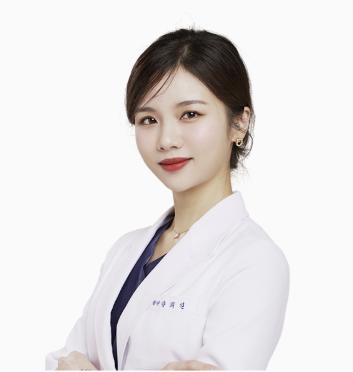
Dr. Yang Hee-Jin
Acne marks · Redness · Skin boosters. MD, Pusan National University School of Medicine; trained at Yangsan Pusan National University Hospital; former director, Maypure Clinic (Busan). Member, Korean Academy of Aesthetic Surgery & Laser Medicine.
Meet all three physicians →Why Choose Dami Clinic Yeouido?
- Comprehensive skin analysis
- Customized PIH treatment plans
- Advanced Pico Laser technologies
- Medical skincare guidance
- Skin rejuvenation programs
- English-speaking consultations
- Expertise in Asian skin