
What Is Hormonal Acne?
Hormonal acne treatment in Seoul helps improve recurring breakouts, jawline acne, chin acne, adult acne, cystic acne, and hormone-related skin concerns through personalized dermatology care. At Dami Clinic Yeouido, hormonal acne treatment plans are customized according to acne severity, hormonal influences, skin type, inflammation levels, and long-term skin health goals.
Hormonal acne commonly affects teenagers and adults, particularly women, and often presents as persistent breakouts around the lower face. Modern dermatology combines acne medications, hormonal therapies, acne injections, chemical peels, laser treatments, LED Light Therapy, and customized skincare programs to improve active acne while reducing the risk of scarring and pigmentation.
International patients benefit from English-speaking consultations, comprehensive skin analysis, and customized treatment protocols specifically designed for Asian and international skin types.
Hormonal acne is one of the most common and frustrating forms of acne because it often persists despite regular skincare routines. Many patients experience recurring breakouts that seem to follow hormonal fluctuations rather than external factors.
Hormonal acne is acne that develops or worsens due to hormonal fluctuations that affect oil production and skin inflammation.
Hormones may stimulate:
This can lead to recurring acne breakouts despite otherwise healthy skin.
- Increased sebum production
- Pore congestion
- Acne-causing bacterial growth
- Inflammatory responses
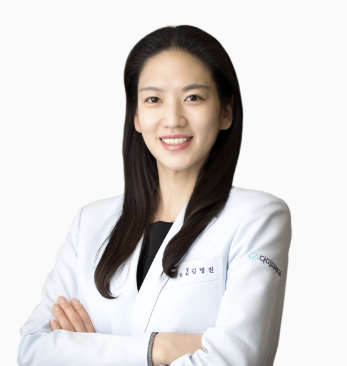 Medically reviewed by Dr. Kim Myung-Jin, member of the Korean Acne Society · Updated October 2026
What Causes Hormonal Acne?
Several hormonal factors may contribute.
Common causes include:
Hormonal acne often develops due to a combination of factors rather than a single cause.
- Puberty
- Menstrual cycles
- Polycystic ovary syndrome (PCOS)
- Pregnancy
- Perimenopause
- Menopause
- Stress-related hormonal changes
Common Signs of Hormonal Acne
Patients with hormonal acne frequently experience:
Breakouts often appear repeatedly in the same areas.
- Recurring breakouts
- Deep painful pimples
- Jawline acne
- Chin acne
- Adult acne
- Cyclical flare-ups
- Increased inflammation
Hormonal Acne in Women
Hormonal acne is particularly common in women.
Many patients notice worsening acne:
Hormonal fluctuations may significantly influence acne severity.
- Before menstruation
- During hormonal changes
- During periods of stress
- During pregnancy
- Around menopause
Hormonal Acne in Teenagers
Hormonal changes during puberty are one of the primary causes of teenage acne.
Increased androgen activity may:
This contributes to the development of adolescent acne.
- Stimulate oil production
- Promote pore blockage
- Trigger inflammation
Hormonal Acne and Adult Acne
Many adults continue to experience acne well beyond adolescence.
Adult hormonal acne often affects:
Adult patients frequently require different treatment approaches than teenagers.
- Jawline
- Chin
- Lower cheeks
- Neck
Hormonal Acne and Cystic Acne
Hormonal acne commonly presents as:
These lesions often carry a higher risk of scarring if left untreated.
- Deep nodules
- Painful cysts
- Persistent inflammatory lesions
What changes with treatment
Drag the handle to compare.
Hormonal Acne and Oily Skin
Hormonal influences may increase sebum production.
Excess oil can:
Oil-control strategies are often incorporated into treatment plans.
- Clog pores
- Promote bacterial growth
- Trigger inflammation
- Worsen acne severity
Hormonal Acne and Acne Scars
Repeated inflammation may lead to:
Early treatment may help reduce the risk of permanent skin damage.
- Ice pick scars
- Boxcar scars
- Rolling scars
- Post-acne pigmentation
Treatment Options for Hormonal Acne
Treatment recommendations depend on acne severity, hormonal influences, and individual patient factors.
Options may include:
Topical Acne Medications
Prescription therapies designed to improve acne while reducing inflammation.
Oral Acne Medications
Systemic treatments that address moderate to severe acne.
Hormonal Therapies
Selected patients may benefit from treatments that address hormonal influences directly.
Spironolactone
Commonly prescribed for women with hormone-related acne.
Acne Injections
Targeted treatment for inflamed acne lesions.
Chemical Peels
Controlled exfoliation procedures that improve congestion and skin turnover.
LED Light Therapy
Non-invasive treatment that may help support acne management and inflammation reduction.
Medical Skincare Programs
Customized skincare designed to support long-term acne control.
Spironolactone for Hormonal Acne
Spironolactone is commonly used for women with hormonal acne.
Potential benefits may include:
Suitability is determined through professional medical evaluation.
- Reduced oil production
- Improved hormonal acne control
- Fewer recurring breakouts
- Reduced inflammation
Chemical Peels for Hormonal Acne
Chemical peels may help:
Treatment intensity is customized according to skin condition.
- Improve skin turnover
- Reduce congestion
- Minimize blackheads
- Support acne management
Acne Injections for Hormonal Acne
Acne injections may help:
They are commonly used for large inflammatory lesions.
- Reduce inflammation
- Accelerate healing
- Improve patient comfort
- Minimize scarring risk
How Long Does Hormonal Acne Treatment Take?
Improvement depends on:
Many patients notice gradual improvement over several weeks to months.
- Hormonal influences
- Acne severity
- Treatment type
- Individual response
- Treatment consistency
Hormonal Acne Treatment for Asian Skin
Asian skin often requires specialized treatment planning because of:
Treatment protocols are customized to maximize effectiveness while minimizing complications.
- Increased pigmentation risk
- Post-acne discoloration
- Sensitive inflammatory responses
- Unique healing characteristics
Dr. Kim Myung-Jin
Medical acne · Hormonal acne · Laser. MD, Soonchunhyang University College of Medicine; internship and residency at Soonchunhyang University Hospital. Member, Korean Acne Society and Korean Society for Laser Dermatology & Trichology.
Meet all three physicians →Why Choose Dami Clinic Yeouido?
- Comprehensive acne assessment
- Customized hormonal acne treatment plans
- Advanced acne management programs
- Hormonal acne expertise
- Medical skincare guidance
- English-speaking consultations
- Expertise in Asian skin