
What Is Fungal Acne?
Fungal acne treatment in Seoul helps improve itchy acne-like bumps, folliculitis, forehead breakouts, chest acne, back acne, and recurring skin congestion through accurate diagnosis and personalized dermatology care. At Dami Clinic Yeouido, fungal acne treatment plans are customized according to skin type, symptom severity, underlying causes, and long-term skin health goals.
Fungal acne, medically known as Malassezia folliculitis, is often mistaken for traditional acne but requires a completely different treatment approach. Modern dermatology utilizes clinical evaluation, medical therapies, antifungal treatments, skincare modifications, and skin barrier support to improve symptoms while preventing recurrence.
International patients benefit from English-speaking consultations, comprehensive skin analysis, and customized treatment protocols specifically designed for Asian and international skin types
Many patients struggle with acne-like breakouts that fail to improve despite using traditional acne products. In some cases, the condition may not be acne at all but rather fungal acne, a common skin condition caused by an overgrowth of yeast within hair follicles.
Fungal acne is a common term for a condition called Malassezia folliculitis.
It occurs when naturally occurring yeast known as Malassezia overgrows within hair follicles and triggers inflammation.
Common characteristics include:
Unlike traditional acne, fungal acne is not primarily caused by clogged pores.
- Small uniform bumps
- Itching
- Redness
- Follicular inflammation
- Recurring breakouts
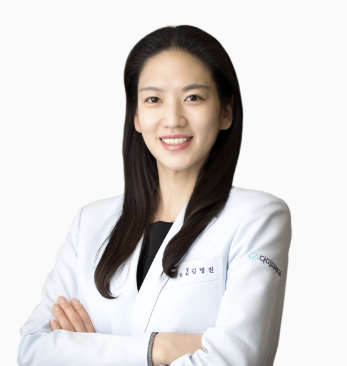 Medically reviewed by Dr. Kim Myung-Jin, member of the Korean Acne Society · Updated October 2026
Is Fungal Acne Really Acne?
Technically, fungal acne is not true acne vulgaris.
While the condition may resemble acne, the underlying cause differs significantly.
Traditional Acne
- Caused by clogged pores
- Associated with excess oil
- Involves acne-causing bacteria
- May include blackheads and whiteheads
Fungal Acne
- Caused by yeast overgrowth
- Involves hair follicles
- Usually lacks blackheads
- Frequently causes itching
Accurate diagnosis is essential for effective treatment.
What Causes Fungal Acne?
Several factors may contribute to fungal acne.
Common triggers include:
These conditions may encourage yeast proliferation.
- Hot and humid environments
- Excessive sweating
- Occlusive skincare products
- Antibiotic use
- Oily skin
- Weakened skin barrier
- Tight clothing
Common Symptoms of Fungal Acne
Patients often experience:
The itching often helps distinguish fungal acne from conventional acne.
- Small uniform bumps
- Itchy breakouts
- Forehead acne-like lesions
- Chest bumps
- Back breakouts
- Persistent congestion
- Recurring flare-ups
Common Areas Affected by Fungal Acne
Fungal acne frequently develops on:
Areas exposed to heat and sweat are particularly susceptible.
- Forehead
- Hairline
- Chest
- Upper back
- Shoulders
- Neck
Fungal Acne and Oily Skin
Malassezia organisms thrive in oily environments.
Excess sebum may:
Sebum management may therefore play an important role in treatment.
- Support yeast growth
- Worsen symptoms
- Increase recurrence risk
Fungal Acne and Sweat
Excessive sweating may contribute to fungal acne by creating an environment favorable to yeast overgrowth.
Patients often notice flare-ups:
Lifestyle modifications may help reduce recurrence.
- During summer
- After exercise
- In humid climates
- During prolonged mask use
What changes with treatment
Drag the handle to compare.
Fungal Acne vs Acne Vulgaris
Distinguishing fungal acne from acne vulgaris is important because treatment differs substantially.
Fungal Acne
- Uniform lesions
- Frequently itchy
- No blackheads
- Often affects chest and back
Acne Vulgaris
- Mixed lesion types
- Blackheads and whiteheads present
- Less commonly itchy
- Often associated with hormonal influences
Professional evaluation is often necessary for accurate diagnosis.
Treatment Options for Fungal Acne
Treatment recommendations depend on symptom severity and underlying causes.
Options may include:
Antifungal Therapies
Medical treatments designed to reduce yeast overgrowth.
Medical Skincare
Customized skincare programs that support skin balance and reduce recurrence.
Sebum Control Programs
Treatment strategies designed to improve oily skin and follicular health.
Skin Barrier Repair
Approaches aimed at improving skin resilience and reducing irritation.
Lifestyle Modifications
Changes that reduce heat, sweat accumulation, and other contributing factors.
Antifungal Treatment for Fungal Acne
Antifungal therapies may help:
Treatment selection depends on physician evaluation and individual patient needs.
- Reduce yeast overgrowth
- Improve inflammation
- Reduce itching
- Improve follicular health
Medical Skincare for Fungal Acne
Professional skincare may focus on:
Product selection is often important because some skincare ingredients may aggravate symptoms.
- Gentle cleansing
- Oil balance
- Barrier support
- Reducing irritation
Skin Barrier Support for Fungal Acne
A healthy skin barrier may help:
Barrier repair is often incorporated into comprehensive treatment plans.
- Reduce irritation
- Improve recovery
- Support skin balance
- Enhance treatment outcomes
Can Fungal Acne Be Permanently Cured?
Many patients achieve significant improvement with appropriate treatment.
However, recurrence may occur if contributing factors such as:
remain present.
Long-term management may be necessary for some patients.
- Heat
- Humidity
- Excessive sweating
- Oily skin
How Long Does Fungal Acne Treatment Take?
Improvement depends on:
Many patients notice improvement within several weeks following appropriate treatment.
- Severity of symptoms
- Underlying causes
- Treatment adherence
- Individual skin characteristics
Fungal Acne Treatment for Asian Skin
Asian skin often requires specialized treatment planning because of:
Treatment protocols are customized to maximize effectiveness while minimizing complications.
- Increased pigmentation risk
- Sensitive skin responses
- Variable sebum production
- Post-inflammatory discoloration tendencies
Dr. Kim Myung-Jin
Medical acne · Hormonal acne · Laser. MD, Soonchunhyang University College of Medicine; internship and residency at Soonchunhyang University Hospital. Member, Korean Acne Society and Korean Society for Laser Dermatology & Trichology.
Meet all three physicians →Why Choose Dami Clinic Yeouido?
- Comprehensive skin evaluation
- Differential diagnosis expertise
- Customized fungal acne treatment plans
- Medical skincare guidance
- Skin barrier support programs
- English-speaking consultations
- Expertise in Asian skin