
What Is Facial Acne?
Facial acne treatment in Seoul helps improve blackheads, whiteheads, inflammatory acne, hormonal acne, cystic acne, acne redness, acne pigmentation, and acne-prone skin through personalized dermatology care. At Dami Clinic Yeouido, facial acne treatment plans are customized according to acne severity, skin type, underlying causes, inflammation levels, and long-term skin health goals.
Facial acne is one of the most common dermatologic conditions affecting teenagers and adults. Modern acne management combines medical treatments, acne medications, acne injections, chemical peels, acne facials, laser treatments, RF Microneedling, and customized skincare programs to improve active breakouts while reducing the risk of scarring and pigmentation.
International patients benefit from English-speaking consultations, advanced skin analysis, and customized treatment protocols specifically designed for Asian and international skin types.
Facial acne can affect not only skin health but also confidence and quality of life. Breakouts may occur occasionally or persist for years, ranging from mild congestion to severe inflammatory acne.
Facial acne is a chronic inflammatory skin condition that develops when pores become blocked by:
This process may lead to various types of acne lesions ranging from mild blackheads to severe cystic acne.
- Excess oil (sebum)
- Dead skin cells
- Acne-causing bacteria
- Skin debris
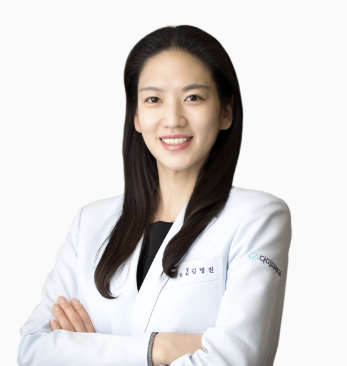 Medically reviewed by Dr. Kim Myung-Jin, member of the Korean Acne Society · Updated October 2026
Common Types of Facial Acne
Blackheads
Blackheads are open comedones that develop when clogged pores are exposed to air and oxidize.
Whiteheads
Whiteheads are closed comedones that remain trapped beneath the skin surface.
Papules
Papules are small inflamed red bumps without visible pus.
Pustules
Pustules contain visible pus and are commonly referred to as pimples.
Nodules
Nodules are deeper inflammatory lesions that may be painful and carry a higher risk of scarring.
Cystic Acne
Cystic acne is one of the most severe forms of acne and often requires professional treatment to prevent permanent skin damage.
What Causes Facial Acne?
Multiple factors contribute to acne development.
Common causes include:
Most patients experience a combination of contributing factors.
- Excess sebum production
- Hormonal fluctuations
- Acne-causing bacteria
- Genetics
- Inflammation
- Stress
- Environmental factors
Facial Acne and Hormones
Hormonal influences play a major role in many acne cases.
Hormonal acne commonly affects:
Fluctuations associated with menstrual cycles, stress, and endocrine conditions may contribute to breakouts.
- Chin
- Jawline
- Lower cheeks
Facial Acne and Oily Skin
Excess oil production is one of the most important contributors to facial acne.
Oil may combine with:
This can result in clogged pores and inflammatory acne lesions.
- Dead skin cells
- Bacteria
- Environmental debris
Facial Acne and Acne Scars
Repeated inflammation can increase the risk of:
Early treatment is important to reduce the likelihood of permanent scarring.
Facial Acne and Pigmentation
Many patients develop:
Comprehensive treatment often addresses both active acne and residual discoloration.
- Dark acne marks
- Post-inflammatory hyperpigmentation
- Acne redness
- Uneven skin tone
What changes with treatment
Drag the handle to compare.
Treatment Options for Facial Acne
Treatment recommendations depend on acne type and severity.
Options may include:
Acne Medications
Prescription treatments designed to address acne-causing mechanisms.
Acne Injections
Targeted treatments used for inflamed acne lesions.
Chemical Peels
Controlled exfoliation procedures that improve pore congestion and skin turnover.
Acne Facials
Professional treatments designed to improve pore cleanliness and skin health.
LED Light Therapy
Non-invasive treatment that may help support acne management and inflammation reduction.
Laser Treatments
Advanced laser technologies used for active acne and post-acne concerns.
RF Microneedling
Collagen-stimulating procedures frequently used for acne scars and skin texture improvement.
Skin Boosters
Regenerative therapies that support skin recovery and overall skin quality.
Acne Medications for Facial Acne
Medical treatment may include:
Treatment selection depends on acne severity and patient-specific factors.
- Topical retinoids
- Oral antibiotics
- Isotretinoin
- Hormonal therapies
- Customized acne treatment programs
Chemical Peels for Facial Acne
Chemical peels may help:
Regular treatments may improve overall skin clarity.
- Improve skin turnover
- Reduce pore congestion
- Minimize blackheads
- Support acne management
Acne Facials for Facial Acne
Professional acne facials may help:
Many patients benefit from maintenance treatments as part of comprehensive acne care.
- Deep clean pores
- Remove excess oil
- Improve congestion
- Support healthier skin maintenance
Laser Treatments for Facial Acne
Laser technologies may help improve:
Treatment recommendations depend on individual skin concerns.
- Active acne
- Acne redness
- Acne pigmentation
- Overall skin quality
Why Early Acne Treatment Matters
Prompt treatment may help:
Delaying treatment may increase the risk of permanent skin changes.
- Reduce inflammation
- Prevent acne scars
- Minimize pigmentation
- Improve skin quality
- Support long-term skin health
Facial Acne Treatment for Asian Skin
Asian skin often requires specialized treatment planning because of:
Treatment protocols are customized to maximize effectiveness while minimizing complications.
- Increased pigmentation risk
- Post-acne discoloration
- Sensitive inflammatory responses
- Unique healing characteristics
Dr. Kim Myung-Jin
Medical acne · Hormonal acne · Laser. MD, Soonchunhyang University College of Medicine; internship and residency at Soonchunhyang University Hospital. Member, Korean Acne Society and Korean Society for Laser Dermatology & Trichology.
Meet all three physicians →Why Choose Dami Clinic Yeouido?
- Comprehensive acne assessment
- Customized treatment plans
- Advanced acne treatment options
- Acne scar prevention strategies
- Medical skincare guidance
- English-speaking consultations
- Expertise in Asian skin